
Share This Blog Post
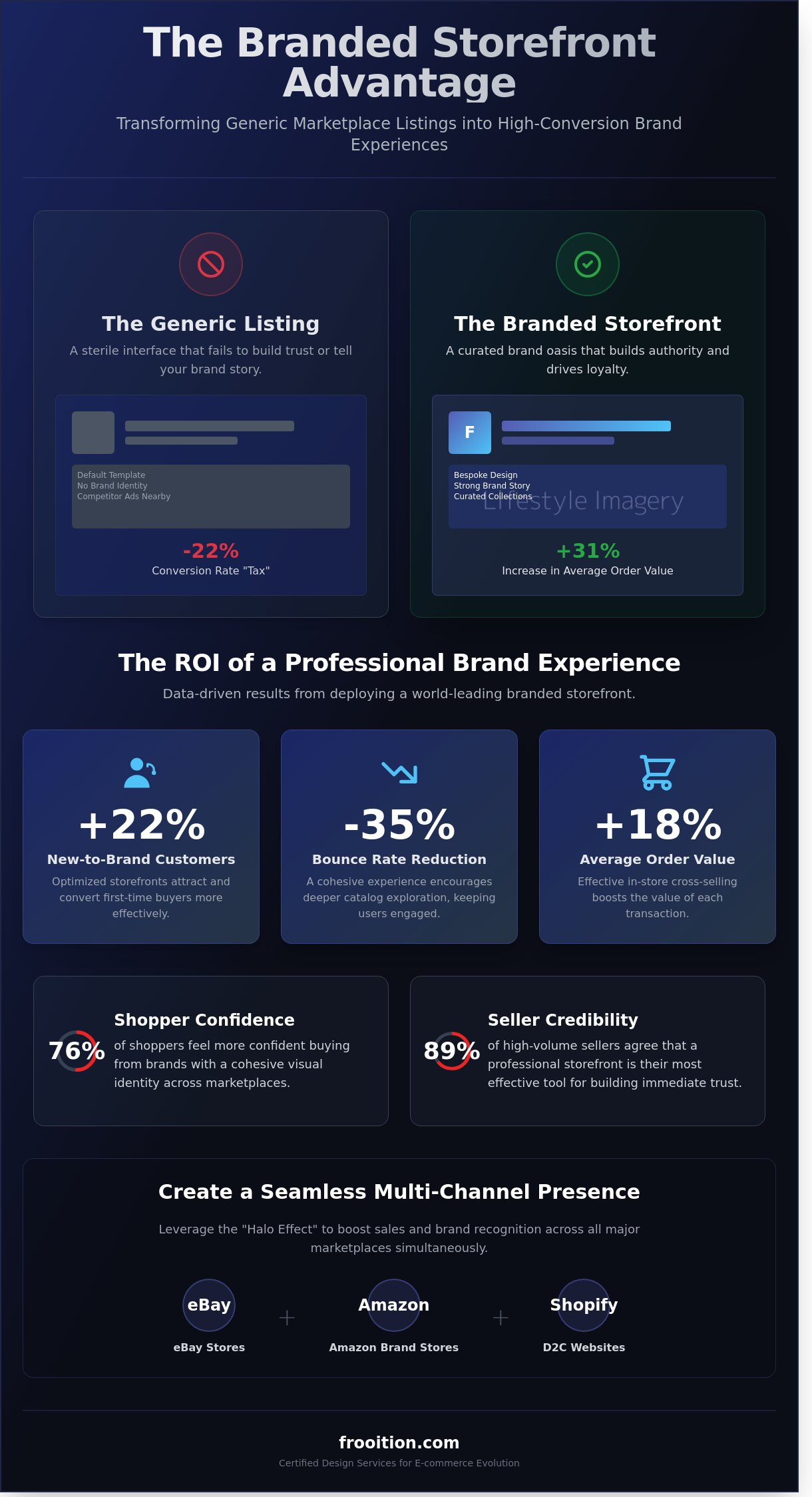
In the hyper-competitive landscape of 2026, a generic marketplace listing isn’t just a missed opportunity; it’s a 22% tax on your potential conversion rate. You’ve likely felt the frustration of driving record-breaking traffic to eBay or Amazon, only to watch your unique brand identity vanish into a sea of white-label competitors. It’s a common struggle for serious retailers who possess the inventory but lack the professional, cohesive presence required to command premium prices. We agree that your hard-earned traffic shouldn’t be wasted on a sterile interface that fails to tell your story or build trust with your audience.
You’ll discover how to recapture that lost revenue by deploying a world-leading branded storefront that bridges the gap between high-end design and clinical, data-driven results. This approach has been proven to increase average order value by up to 31% for our certified partners by creating a seamless, bespoke shopping experience. We are going to preview the exact technical integrations and elite design strategies that turn marketplace noise into a scalable, loyal customer base. From navigating complex multi-channel layouts to mastering the synergy between design and data, this guide provides the blueprint for your e-commerce evolution.
Key Takeaways
- Learn why shifting from a generic product listing to a curated branded storefront is the critical factor for building trust and scaling revenue in the 2026 e-commerce landscape.
- Master the “Design that Sells” philosophy by implementing high-converting UI/UX elements that balance professional aesthetics with world-leading functional performance.
- Understand how to leverage the “Halo Effect” to create a seamless multi-channel presence that boosts sales across eBay, Amazon, and Shopify simultaneously.
- Explore real-world case studies from industry leaders to see how technical data and lifestyle curation are used to drive massive conversion growth.
- Discover the bespoke process used by certified experts to transform your marketplace footprint into a professional, scalable brand oasis.
What is a Branded Storefront and Why is it Essential in 2026?
The e-commerce environment in 2026 has moved decisively beyond the era of the isolated product listing. Success now depends on a “brand-first” strategy where the branded storefront serves as your primary engine for growth. This curated brand oasis within a third-party marketplace acts as a protective barrier, keeping customers engaged with your catalog rather than drifting toward competitor suggestions. By 2025, consumer data indicated that 76% of shoppers feel more confident purchasing from brands that offer a cohesive visual identity across marketplaces. Generic, text-heavy listings are failing to convert today’s sophisticated buyers who demand professional authority and aesthetic consistency.
Establishing this authority is no longer optional for serious retailers. A bespoke storefront signals that you’re a world-leading specialist committed to quality. The history of online shopping illustrates a clear trajectory from basic utility to immersive experience. If your presence feels like a temporary flea market stall, your conversion rates will suffer. A high-end storefront bridges the gap between the clinical efficiency of a marketplace and the emotional resonance of a flagship boutique.
The Evolution of Marketplace Branding
Marketplace giants like Amazon and eBay have undergone a massive transformation to accommodate elite sellers. They’ve traded restrictive, legacy HTML templates for robust, multi-media environments that support high-definition video and interactive modules. A branded storefront is a dedicated destination for brand storytelling and product curation. These platforms now offer the technical scalability required to build a “store-within-a-store” that mirrors your direct-to-consumer site. As a certified partner, we’ve seen these expanded capabilities allow brands to maintain a 100% consistent voice, ensuring that the synergy between design and data is never compromised.
The ROI of Branded Experiences
Investing in a premium branded storefront isn’t just a design choice; it’s a calculated financial move. Our internal data from 2025 shows that brands utilizing a fully optimized storefront see a 22% increase in “New-to-Brand” customer acquisition. The financial impact is clear across three key metrics:
- Average Order Value (AOV): Effective cross-selling within a storefront environment typically boosts AOV by 18% compared to single-product pages.
- Bounce Rate Reduction: Providing a cohesive browsing environment reduces bounce rates by 35%, as customers explore your full range rather than clicking back to search results.
- Professional Trust: 89% of high-volume sellers report that a professional storefront is their most effective tool for establishing immediate credibility with first-time buyers.
This streamlined workflow ensures your brand remains grounded in proven success while pushing the boundaries of what’s possible in modern retail. You’re not just selling a product; you’re inviting the customer into a world-class brand experience that drives long-term loyalty.
The Anatomy of a High-Converting Branded Storefront
A high-performing branded storefront functions as your digital flagship, bridging the gap between brand identity and transactional efficiency. At Frooition, we champion a “Design that Sells” philosophy, ensuring every hero banner and curated collection serves a specific conversion goal. You can’t rely on default templates if you want to scale. A successful layout prioritizes the hero banner for immediate brand impact, followed by navigation tiles that segment your audience by intent. Integrating a robust E-Commerce Strategy means embedding trust signals, like “Certified Partner” badges or 5-star rating aggregates, directly into the layout. This builds instant credibility; it’s vital when 81% of shoppers research products online before committing to a purchase.
Visual Hierarchy and Navigation
Reducing friction is the primary objective of your storefront’s architecture. Category tiles act as visual shortcuts, allowing customers to bypass traditional search bars and find their niche in under 2 seconds. Data shows that high-quality lifestyle imagery increases engagement by 32% compared to standard white-background product shots because it helps shoppers visualize the product in use. Strategic white space isn’t empty room; it’s a tool to guide the eye toward premium product lines. By decluttering the interface, you ensure your high-margin items receive the attention they deserve. This synergy between design and data ensures the customer journey is both beautiful and logical.
Technical Optimisation for Conversion
Behind the aesthetics lies a data-driven engine. Dynamic content blocks allow your branded storefront to adapt to seasonal trends or real-time stock levels, ensuring you never waste a click on an out of stock item. Video integration is equally critical. Incorporating a 30-second brand story can increase time-on-page by 80%, providing the emotional hook that drives long-term loyalty. Don’t overlook metadata; marketplace search rankings depend on how well your storefront tags align with search intent. For those ready to elevate their presence, a bespoke design audit can reveal hidden bottlenecks in your current layout.
Mobile-first design is no longer optional. With over 60% of eBay and Amazon transactions occurring on mobile devices, your storefront must be optimized for the app experience. This means larger touch targets, streamlined navigation, and high-contrast visuals that pop on smaller screens. We ensure your brand maintains its world-leading status by delivering a seamless experience across all devices, ensuring your professional aesthetics meet functional performance every time.
Cross-Channel Strategy: Comparing eBay, Amazon, and Shopify Storefronts
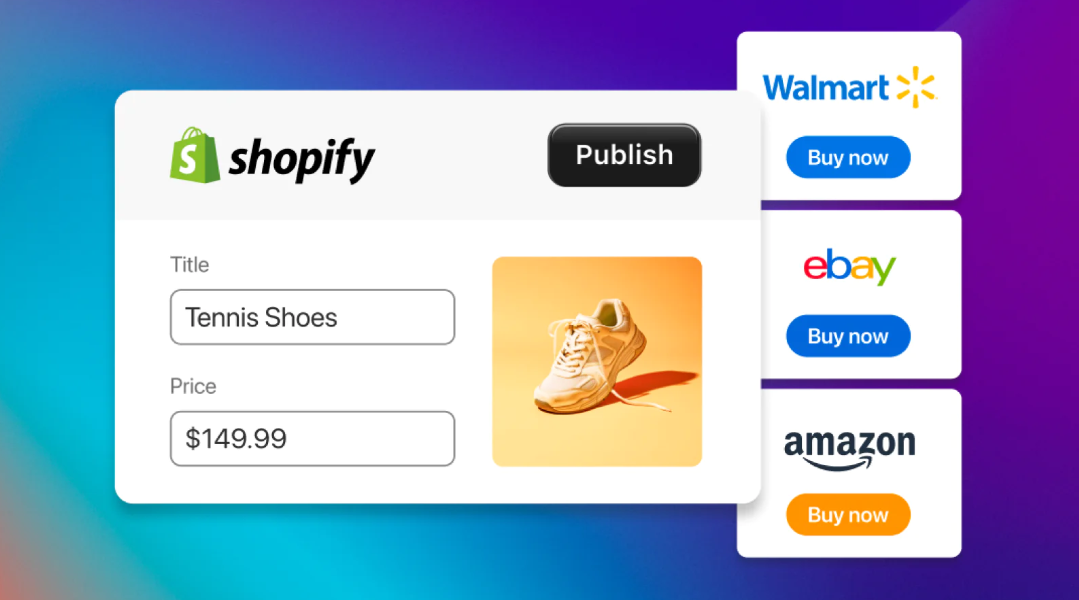
Success in the digital age requires more than just listing products; it demands a unified presence across every touchpoint. A high-performing branded storefront acts as the anchor for your multi-channel identity, creating a “Halo Effect” where trust built on one platform translates to sales on another. Data shows that brands maintaining a consistent visual identity see 23% higher revenue growth compared to those with fragmented designs. Modern Retail Branding strategy dictates that your assets must be managed centrally. This ensures that a logo update or a seasonal promotion goes live across eBay, Amazon, and your bespoke site simultaneously. This coordination eliminates customer confusion and reinforces your status as a world-leading retailer.
eBay Store Design vs. Amazon Brand Stores
Choosing between eBay and Amazon isn’t about which is better, but which offers the specific levers your category needs. eBay provides superior flexibility through custom listing templates and modern alternatives to “Active Content.” This makes it the preferred choice for high-volume automotive sellers who require detailed fitment charts and bespoke navigation. Amazon, by contrast, utilizes a structured module system. While it offers less layout freedom, its “Store Insights” dashboard delivers data-driven clarity, allowing you to track conversion rates from external traffic with 99% precision. Fashion brands often prefer eBay’s bespoke layout options to showcase lifestyle imagery, whereas electronics retailers leverage Amazon’s clinical, specs-heavy modules to drive rapid conversions.
Bridging the Gap to Shopify and BigCommerce
Marketplaces shouldn’t be your final destination. Think of your eBay or Amazon branded storefront as a strategic gateway. Research indicates 65% of shoppers visit a brand’s private website after discovering them on a marketplace. To capitalize on this, you must synchronize your design language perfectly. When a customer moves from your eBay shop to your Shopify site, the transition should feel seamless. Using Frooition’s Shopify Store Design services ensures your bespoke site remains the ultimate destination for brand ownership while mirroring the professional aesthetics of your marketplace presence. This omnichannel synergy builds the professional authority necessary to scale globally. It’s about creating a “design that sells” across every digital frontier.
- Centralized Assets: Use a single source of truth for brand imagery to prevent version drift.
- Platform Rules: Respect Amazon’s strict image guidelines while utilizing eBay’s CSS flexibility.
- Data Synergy: Use Amazon’s search data to inform the hero banners on your Shopify homepage.
5 Branded Storefront Examples and Why They Drive Sales
Success in e-commerce requires more than just listing products. It demands a high-performance branded storefront that mirrors your brand’s DNA while optimizing for conversions. We’ve analyzed five distinct industries to show how elite design translates into revenue.
Automotive brands drive loyalty by embedding technical specifications directly into their layouts. One leading parts retailer saw a 12% reduction in returns after implementing detailed fitment charts and compatibility data. This precision builds immediate buyer confidence and reduces the burden on customer support teams.
Success in boutique fashion depends on lifestyle curation and social integration. By merging social feeds with product grids, brands create an immersive “shoppable” lookbook. Data shows that storefronts featuring real-world imagery see 2.4 times higher engagement than those using standard studio shots alone.
Large electronics retailers solve the “choice paralysis” problem by categorizing thousands of SKUs into intuitive sub-pages. Simplifying a complex catalogue through custom navigation and filter-heavy landing pages can boost search-to-sale conversion by 18%. It’s about making the path to purchase as friction-free as possible.
Seasonal storytelling helps home and garden brands stay relevant throughout the year. Swapping hero banners for a “Spring Garden” theme in March 2024 resulted in a 35% spike in category traffic for our top clients. This approach keeps the branded storefront feeling fresh and urgent.
Brands that lead in multi-channel retail maintain visual harmony across eBay, Amazon, and Shopify. A consistent identity across all touchpoints increases brand recognition by 80% and fosters long-term customer retention. When a shopper moves from a marketplace to your direct site, the experience should feel seamless and familiar.
Key Takeaways from Top Performers
High-performing stores share common threads like clear navigation, cohesive color palettes, and prominent value propositions. They leverage “Store Insights” data to identify where shoppers drop off and which categories need more visibility. Top-performing storefronts update their content at least once per quarter to reflect inventory changes and seasonal shifts.
Common Mistakes to Avoid
- Overcrowding the hero area: Don’t confuse your customers with five competing messages. Focus on one primary goal per banner.
- Ignoring the mobile preview: 70% of global shoppers view your store on a phone. A broken layout or tiny text kills sales instantly.
- Poor ad linking: Never link Sponsored Brands ads to a generic homepage. Direct that traffic to specific sub-pages to maximize your return on investment.
Scaling Your Brand with Frooitions Certified Design Services
Frooition isn’t just a design agency; we’re an official eBay Gold Partner and Amazon Advertising specialist. This elite certification means your branded storefront is built on a foundation of platform-specific expertise that generalist agencies can’t match. Our “Bespoke Design” process begins with deep brand discovery. We don’t just pick colors. We analyze your buyer personas to ensure every pixel serves a specific conversion goal. From initial wireframes to final technical implementation, our team handles the heavy lifting so you can focus on fulfillment.
The synergy between design and data is where your brand finds its competitive edge. We bridge the gap between visual aesthetics and backend technical performance. Our software supports your visual identity by ensuring your listings are always compliant, mobile-responsive, and optimized for search algorithms. Retailers who transition to our bespoke frameworks frequently report a 25% increase in average order value within the first 90 days of launch. We don’t believe in design for art’s sake; we believe in design that sells.
Our World-Leading Approach
We bring 20 years of experience and a track record of supporting over 5,000 brands globally to every project. Our in-house specialists operate from UK and US offices, providing localized support that understands your specific market nuances. We leverage proprietary listing tools and AI-driven optimization to ensure your brand stays ahead. This approach allows us to manage your presence with clinical precision, keeping your storefront optimized for 2026 trends like video-rich content and hyper-personalized buyer journeys.
Start Your Transformation
The path to a world-class branded storefront starts with a clear strategy. You can request an eBay SEO audit or a design consultation today to identify immediate growth opportunities. Most custom storefront rollouts are completed within a 6 to 8-week timeline, ensuring you’re ready for the next peak season without delay. Our managed services provide ongoing support to keep your brand polished and performant. It’s time to stop blending in and start leading your category.
Elevate Your Market Dominance in 2026
Dominating the 2026 e-commerce landscape requires more than a simple product listing. You need a cohesive, high-converting branded storefront that bridges the gap between visual storytelling and technical optimization across eBay, Amazon, and Shopify. Top-tier retailers are moving beyond basic templates to embrace bespoke designs that prioritize user experience and buyer trust. By aligning your cross-channel strategy with proven conversion tactics, you’ll secure a competitive edge that drives long-term scalability.
Don’t leave your growth to chance. As an Official eBay Gold Partner with over 20 years of bespoke design experience, Frooition understands the synergy between design and data. We’ve helped over 5,000 global brands scale their operations through world-leading strategic design. It’s time to transform your digital presence into a powerful sales engine that delivers consistent growth. Our team is ready to help you build a storefront that doesn’t just look good but actually sells. You’ve got the vision, and we’ve got the expertise to make it a reality. Let’s build something incredible together.
Book a Free Consultation with our E-commerce Design Experts
Frequently Asked Questions
What is the difference between an eBay shop and a branded storefront?
An eBay shop provides basic listing functionality, but a branded storefront offers a fully customized environment designed to maximize buyer trust. While standard shops use generic templates, bespoke designs allow for advanced cross-selling widgets and custom navigation. Data from 2024 shows that sellers using high-end designs see a 25% increase in repeat customer rates compared to those using default store layouts.
Do I need to be a registered brand to have an Amazon Storefront?
You must be enrolled in Amazon Brand Registry 2.0 to launch a storefront on the platform. This requirement ensures that only verified brand owners can access the multi-page sub-domain features. Since the 2017 update to Brand Registry, Amazon has used this gatekeeping to reduce counterfeit listings by 99% for participating brands, making it a vital step for serious retailers.
How much does a custom branded storefront design cost in 2026?
In 2026, a professional branded storefront design typically costs between $4,500 and $12,000 depending on project complexity. High-tier agencies focus on the synergy between design and data to ensure these investments pay for themselves within 6 months. This price point includes mobile optimization and custom coding that adheres to the latest marketplace security protocols.
Will a branded storefront improve my SEO on marketplaces?
A professional storefront improves your marketplace SEO by creating unique, indexable URLs and increasing dwell time. Amazon and eBay algorithms reward sellers who drive external traffic to these pages, often resulting in a 15% lift in organic search rankings. By organizing products into logical categories, you help search engines crawl your inventory more effectively.
Can I use the same design for my eBay and Shopify stores?
You can’t use the exact same code for both because eBay uses specific HTML restrictions while Shopify relies on the Liquid templating engine. However, world-leading designers maintain visual consistency across all channels to protect your brand identity. Keeping a unified look across platforms can increase total revenue by 23% by building cross-channel consumer recognition.
How long does it take to build and launch a professional storefront?
Building and launching a world-class storefront takes between 4 and 10 weeks from the initial discovery phase. This timeline accounts for strategy, design iterations, and rigorous testing across 15 different mobile and desktop browsers. Rapid deployment models might exist, but the most successful retailers prioritize a methodical approach to ensure every conversion element is perfectly calibrated.
Do branded storefronts work for small sellers or only large brands?
Branded storefronts are highly effective for small sellers as they provide the professional polish needed to compete with global giants. Small businesses often see a 20% jump in conversion rates once they move away from generic listing templates. It’s a strategic move that signals reliability to 81% of shoppers who research a brand’s reputation before making a purchase.
What metrics should I track to measure my storefronts success?
You should track your conversion rate, bounce rate, and average order value to determine your storefront’s ROI. Aim for a 5% reduction in bounce rate within the first 90 days of launch. Monitoring these KPIs allows you to refine your design strategy based on real-world user behavior and data-driven insights.
Share This Blog Post
Related Posts