Share This Blog Post
If you’re researching Shopify design costs, you’ve probably noticed that quotes vary wildly – from a couple of thousand to tens of thousands. This guide breaks down what actually drives those differences and helps you understand what you should expect to pay based on your specific needs.
At Frooition, we’ve built thousands of custom Shopify stores over the past 10 years. We’ll share the pricing frameworks we use internally, along with the factors that push projects into higher (or lower) cost brackets.
What ‘Custom’ Actually Means in 2026
The word ‘custom’ gets thrown around loosely. Here’s how we define the three main tiers:
Tier 1: Theme Customisation
This involves modifying an existing Shopify theme – changing colours, fonts, adding your logo, and adjusting layouts within the theme’s existing structure. It’s a good starting point for new businesses, but you’re working within the constraints of someone else’s code.
Tier 2: Custom Theme Development
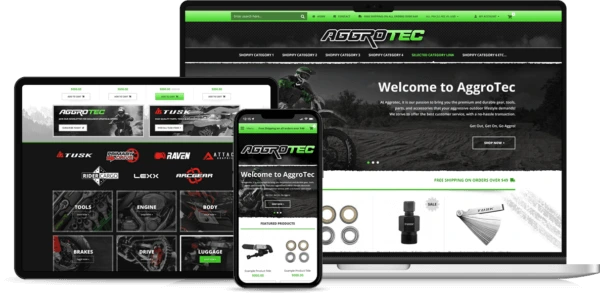
This is where we build a theme specifically for your business. You get a unique design, clean code optimised for your specific product catalogue, and the flexibility to add features without relying on third-party apps.
For most established retailers doing £500K+ in annual revenue, this tier hits the sweet spot between investment and capability.
NOTE: We recently built a custom theme for a UK Footwear brand that reduced their page load time from 4.2s to 1.8s – https://www.shoestationdirect.co.uk
Tier 3: Enterprise/Headless
These projects typically involve Shopify Plus, headless architecture (separating the frontend from Shopify’s backend), complex ERP integrations, and multi-region setups. If you’re processing £5M+ annually or have complex B2B requirements, this is likely where you’ll land.
What Drives Costs Up (Or Down)
Here are the main factors that affect your final quote:
Data Migration
Moving from WooCommerce, BigCommerce, Magento, or another platform? The complexity of your existing data matters. A catalogue with 500 products and clean data is straightforward. One with 15,000 SKUs, complex variants, and years of customer history requires more work.
Frooition offers secure, accurately, and highly structured data migration processes to help businesses migrate from what platform to another. We did a migration process for https://www.queni-koi.co.uk with complete accuracy, who was moving from a legacy website platform over onto Shopify.
Third-Party Integrations
Connecting Shopify to your ERP, warehouse management system, or accounting software adds complexity. Off-the-shelf integrations are cheaper; custom API work costs more.
Common integrations we handle:
- Accounting: Xero, QuickBooks, Sage
- Shipping: DPD, Royal Mail, DHL
- ERP: NetSuite, SAP, Brightpearl
- Marketing: Klaviyo, Mailchimp, Google Shopping
Custom Functionality
Need a product configurator? Custom checkout flow? Subscription functionality? These add development time. The Shopify App Store solves many common needs, but if you require something specific to your business, expect custom development costs.
How to Calculate ROI
The right question isn’t ‘how much does it cost?’ but ‘what’s the return?’
Here’s a simple framework:
Conversion Rate Impact
If your current site converts at 1.5% and a better design gets you to 2%, that’s a 33% increase in orders from the same traffic. On £1M revenue, that’s £330K additional sales.
Reduced App Costs
Many retailers pay £200-500/month in app subscriptions to fix limitations in their theme. A custom build often eliminates several of these.
Operational Efficiency
A well-structured backend saves your team time. If your content team can update the homepage in 10 minutes instead of 2 hours, that adds up.
How to Choose a Shopify Partner
When evaluating agencies, ask:
- Can they show Shopify-specific portfolio examples? (Not just ‘we do websites’)
- Do they have Shopify Partner certification?
- Can they provide references from similar businesses?
- Do they understand your integration requirements?
- What’s their post-launch support model?
At Frooition, we’ve been an official Shopify Partner since 2016. We specialise in retailers who sell across multiple channels – so if you’re also on eBay or Amazon, we understand how your Shopify store fits into that broader ecosystem.
Frooition are a certified Shopify partner, with over 10 years experience and expertise on Shopify, delivering over a thousands custom Shopify websites.
Next Steps
Before requesting quotes, prepare:
- Your current monthly revenue and traffic
- List of must-have features vs nice-to-haves
- Integration requirements (accounting, shipping, etc.)
- Timeline constraints
- Examples of sites you like (and why)
The more specific you can be upfront, the more accurate your quotes will be.
Ready to Get a Quote?
We offer free initial consultations to understand your requirements and provide a realistic cost estimate. View our Shopify portfolio at https://www.frooition.com/shopify-design-portfolio/ or contact us at sales@froo.com.
Frooition Shopify Services – https://www.frooition.com/shopify-design/
View Live Examples of Shopify Sites.
Related Blog – https://www.frooition.com/blog/bigcommerce-vs-shopify-2026-the-definitive-e-commerce-comparison-for-scaling-brands/
Share This Blog Post
Related Posts




Thanks! We'll be in touch within one business day.